Halal Processed Meat Binding Enzyme: Transglutaminase Procurement and QA Review
Amanah Catalytics supports halal meat processors evaluating transglutaminase for formed meat, restructured cuts, poultry rolls, kebab-style products, and value-added protein lines.
If you are comparing a halal enzyme supplier for meat processing, your review should go beyond price and basic technical fit. QA, procurement, and production teams need confidence that the enzyme source, carriers, processing aids, documentation, and supply chain controls can stand up to internal approval, customer audits, and repeat commercial runs.
Built for halal meat processing environments
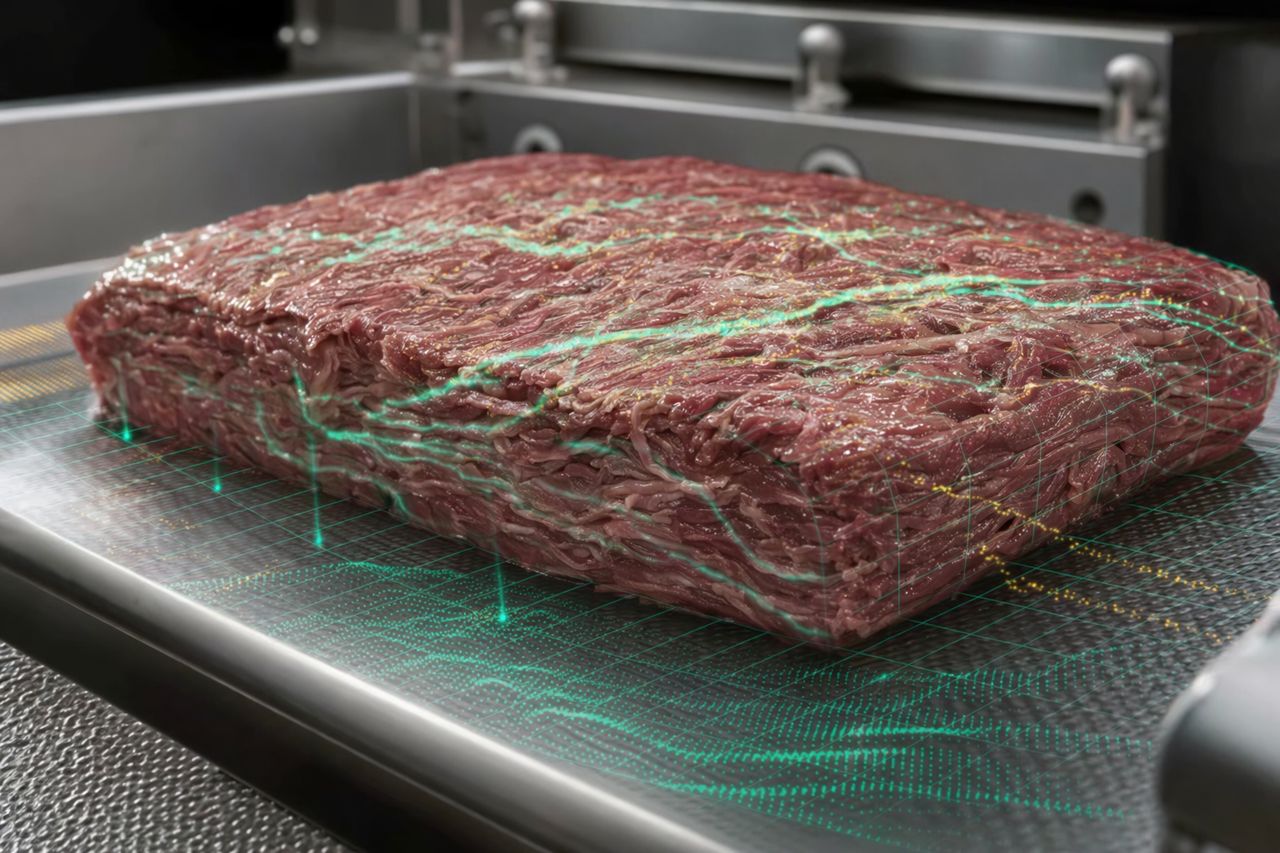
Transglutaminase is used to improve protein binding by supporting cross-linking between meat proteins. In further processing, that can help create cleaner sliceability, improved cohesion, and more consistent forming performance when the formulation, process, temperature control, and cook step are validated correctly.
For halal processors, suitability depends on more than function. Amanah Catalytics focuses on the practical review points QA managers ask for before approving a new binding enzyme:
- Halal suitability documentation for the supplied material
- Ingredient and carrier transparency
- Allergen and non-meat material declarations where applicable
- Country-of-origin and manufacturing traceability support
- Batch-level documentation for receiving and release checks
- Technical support for plant trials and product-specific validation
- Reliable B2B supply planning for repeat production
Applications in formed and value-added meat
Our meat binding enzyme solutions are reviewed for use in further-processed halal meat systems such as:
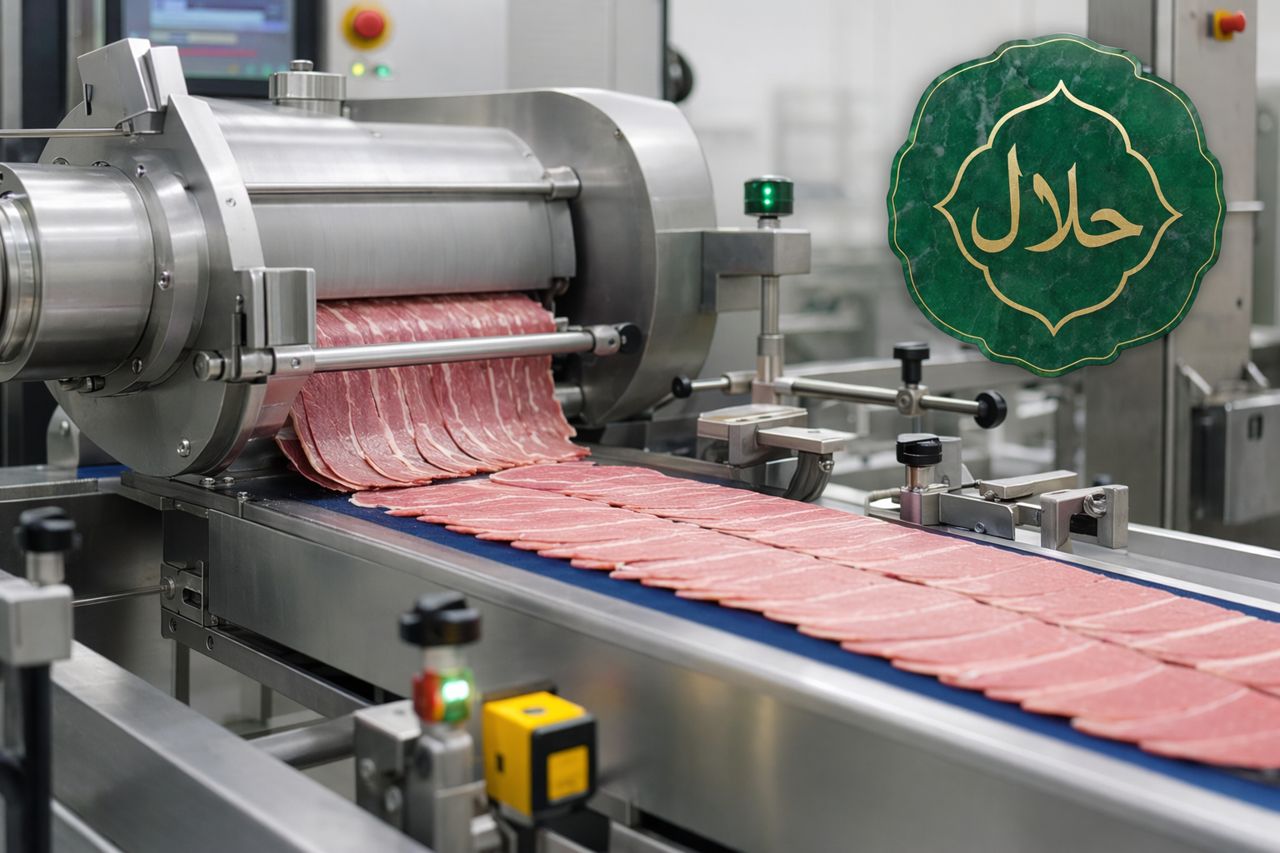
- Restructured beef, lamb, or poultry portions
- Formed steaks, medallions, and strips
- Poultry rolls, roulades, and stuffed products
- Trim utilization programs where appearance and bite consistency matter
- Value-added cooked or ready-to-cook meat formats
- Products requiring improved cohesion through slicing, packing, or reheating
Every product and line behaves differently. Protein source, particle size, salt level, mixing intensity, temperature exposure, dwell time, stuffing pressure, and cook profile all influence results. Amanah Catalytics helps your team structure a plant trial that measures actual commercial outcomes rather than relying on a generic lab assumption.
What QA should request before approval
A halal processed meat binding enzyme should be reviewed through your normal supplier qualification process. We recommend confirming the following before moving to production-scale use:
Documentation readiness
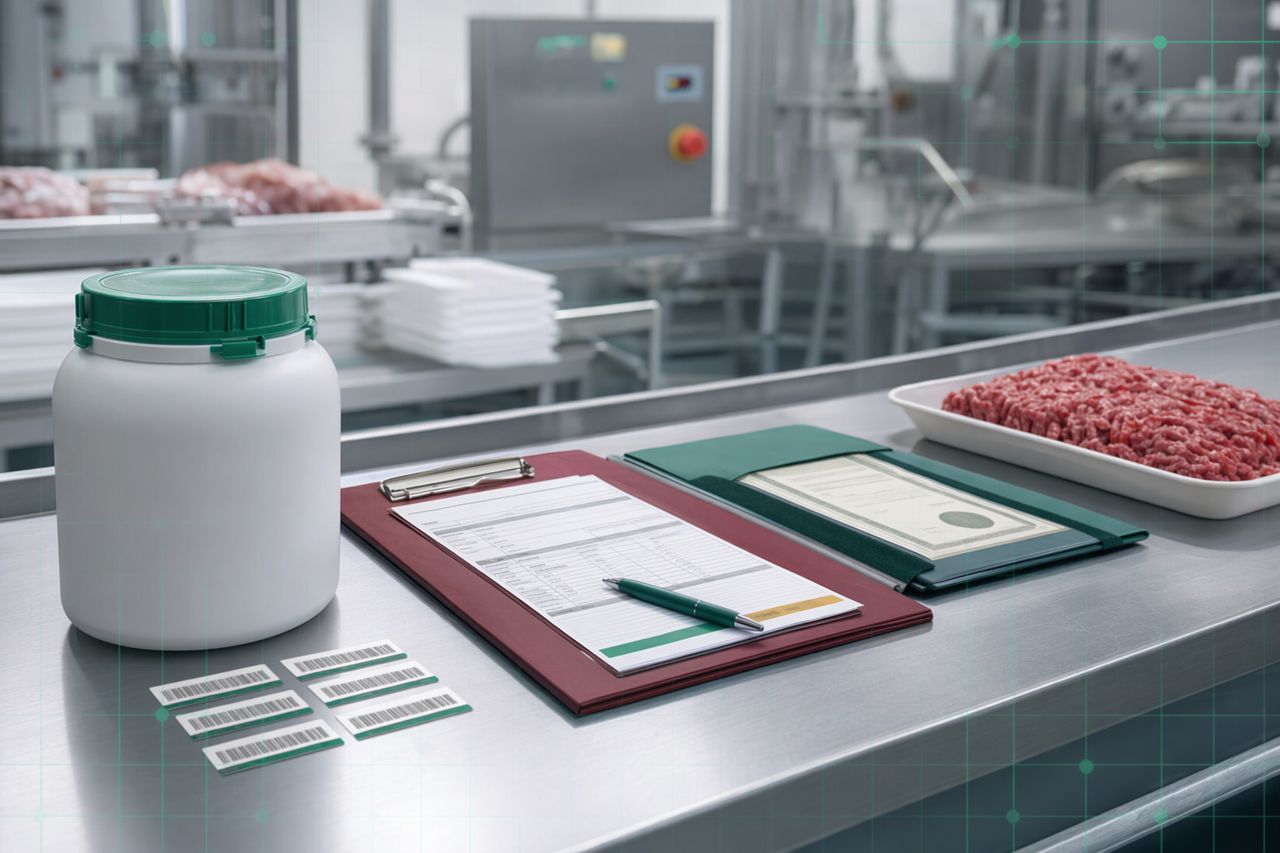
Ask for the documents your plant and customers will need before approval, including halal suitability records, specification sheets, safety data, ingredient composition statements, allergen information, and batch traceability documentation.
Formulation compatibility
Review whether the enzyme preparation is compatible with your meat species, moisture target, salt level, binder system, seasoning blend, and intended label position. Your regulatory and halal assurance teams should confirm all declarations for the markets you serve.
Residue and process control
Residue control is not a single document. It is a validated process. Your trial should define addition point, mixing sequence, temperature window, hold time, forming conditions, and cook or chill profile. QA should confirm that finished-product controls meet your internal standards and customer requirements.
Yield and texture consistency
A successful trial should measure slice integrity, purge, bite, appearance, packaging performance, and post-cook yield consistency. These practical outputs determine whether the enzyme adds value on the plant floor.
Supplier reliability
A binding enzyme used in scheduled meat production must be supported by dependable lead times, batch documentation, responsive technical communication, and clear change-control expectations.
Plant trial approach
Amanah Catalytics can support your team with a practical trial plan for halal meat processing lines.
- Define the target product. Confirm species, format, cook status, target texture, and packaging method.
- Review the current process. Map mixing, tumbling, forming, resting, cooking, chilling, slicing, and packing.
- Set trial success criteria. Measure cohesion, sliceability, purge, yield, texture, and visual quality.
- Run controlled comparisons. Compare current process against defined enzyme-assisted conditions.
- Document QA outcomes. Record batch references, process settings, finished-product observations, and release criteria.
- Prepare for scale-up. Confirm procurement, storage, handling, training, and line-control requirements.
Why processors choose Amanah Catalytics
Amanah Catalytics is designed for B2B buyers who need more than a catalogue listing. We support halal processors with clear documentation, technical discussion, and procurement discipline.
You can expect:
- Compliance-minded communication for QA and purchasing teams
- Halal-focused documentation support
- Practical guidance for plant trials and scale-up
- Batch traceability and supplier qualification support
- Clear commercial quoting for planned production volumes
- Responsive coordination across quality, technical, and procurement stakeholders
Procurement questions we can help answer
When you contact Amanah Catalytics, our team can help clarify:
- Which meat format you are evaluating
- Whether the product is raw, cooked, chilled, frozen, sliced, or reheated
- Your current binding challenges and production constraints
- Required halal, allergen, traceability, and safety documents
- Estimated monthly usage and packaging needs
- Trial timeline and approval process
- Commercial supply requirements after validation
Request a quote
If your QA or procurement team is evaluating a halal enzyme supplier for meat processing, Amanah Catalytics can provide a controlled quote pathway with the documentation needed for internal review.
Request a quote through the on-site contact form and include your product type, meat species, target application, required documentation, estimated volume, and trial timeline. Our team will respond with next steps for technical review and commercial quotation.